
The Complete Guide To Permanent Makeup Removals and Corrections
The Complete Guide to Permanent Makeup Corrections and Removals
If your brows have shifted color, healed too saturated, or simply don't feel like you anymore—take a breath. In most cases, brows are fixable. This guide walks you through the safest options, what timelines really look like, and how we rebuild a natural result at Le Kitsuné in Manhattan.
Navigate This Guide
You're Not "Stuck" With Your Brows
Most correction and removal journeys are staged—and that's a good thing.
Brows can be complex: pigment depth, chemistry, skin type, and past technique all matter. For many clients, the safest path is gradual: soften, reassess, then rebuild.
It's common to need 2–6+ sessions when removal is involved. Your body's response to removal (and how pigment clears) is the biggest variable, so we plan conservatively and adapt as we learn what your skin prefers.
Overview Of Correction vs Removal: What We Mean
Correction means refining what's already there—neutralizing unwanted undertones, softening intensity, improving symmetry, and rebuilding shape using modern machine technique. This often includes color theory (canceling ashy/gray or pink/warm shifts) before layering a natural tone that harmonizes with your brow hair and complexion.
Removals are a specific type of correction where we intentionally fade the pigment to create a safer "canvas" for correction. Removal can be helpful when the work is too saturated, the shape is fundamentally off, or pigment behavior suggests correction would compound the issue.
Many clients need a blend of both. The goal is never to rush—it's to get you to a natural result that stays soft, beautiful, and maintainable.
Natural first, adjustable always. We build conservatively—because it's always easier to add dimension later than to remove pigment after the fact.
Common Issues: Color Shifting, Shape Updating and Oversaturation
Color shifting is common—and it's not your fault. Over time, cosmetic tattoo pigments can change as they interact with your skin, your immune system, and daily life (sun exposure, skincare, oil production). Many older brow tattoos drift cooler/ashy (gray) or warmer (red/pink) as certain components fade faster than others. The good news: with the right plan, these undertones can usually be neutralized and rebuilt naturally.
Shape updating is incredibly normal. What felt perfect a few years ago can start to feel too harsh, too heavy in the tail, too squared in the front, or simply not aligned with how you style yourself now. Sometimes the original mapping didn't match your bone structure; sometimes your preferences changed. Correction can often refine symmetry, soften edges, and rebalance proportion—without making brows look "done."
Oversaturation is the #1 reason we recommend removal first. When pigment is packed too densely (common with older, aggressive microblading or repeated touch-ups), it can heal like a unflattering block instead of a soft brow. As it fades, it may look patchy and uneven— and it will also necessitate a constant laying over of correction to try to manage the persistent discoloration which is why removal is important
Our goal is always the same: create enough "breathing room" in the skin so the final result reads as natural hair + soft definition—not makeup marker.
Removal Methods: Saline vs PICO Laser
Removal isn't one "magic" appointment—it's a controlled process that respects your skin. The two most common approaches are saline (manual) removal and PICO laser removal. We sometimes combine them depending on pigment type, depth, and how your skin responds.
Saline (Manual) Removal
What it is: a sterile saline-based solution is implanted into the skin in a controlled way. As the area heals, the solution supports the natural shedding process where pigment can be lifted toward the surface.
Why we use it: it's predictable and targetable. We can focus on specific zones (like heavy tails or boxed fronts) without treating the entire brow.
Best for: spot-lifting, cautious fading when pigment composition is unknown, and cases where we want maximum control over where pigment is being softened.
Pro: Predictable and even fading (usually no change in color).
Con: May cause temporary discomfort, redness and mild swelling and scabbing afterwards. Procedure takes longer than laser (~15 minutes of numbing + ~20-30 minutes during procedure).
Healing notes: dryness/flaking is normal and some clients will scab. You can't judge results until the skin fully settles.
PICO Laser Removal
What it is: a picosecond laser delivers ultra-short pulses that break pigment particles into smaller fragments—so your body can gradually clear them.
Why it can be efficient: laser can reduce density more dramatically per session in some cases, especially when pigment is deep or widespread.
Best for: heavy overall saturation and clients who want efficient reduction—with the right provider and parameters.
Pro: Quick (topical numbing~ 15 minutes, actual laser ~5 minutes), amenable to all types of skin and ethnicities (we use the very gentle PICO laser, which uses energy distribution vs heat, under the supervision of a medical doctors.
Con: May cause temporary discomfort, pain and swelling immediately afterwards and potential blistering post-procedure (especially as sessions progress). Color may change* (gray may turn pink, then to orange, then to yellow, etc. until it fades out) but we spot test first.
Skin tone considerations: for melanin-rich skin, provider experience matters. Conservative settings and proper spacing reduce the risk of post-inflammatory pigment changes.
Cosmetic tattoo pigments don't always fade in a straight line. Some formulas include minerals like iron oxides and lightening agents like titanium dioxide. Under laser energy, certain pigments can temporarily darken (sometimes called "paradoxical darkening"), or pass through warm-looking stages as the ink breaks down and different components clear at different rates.
That's why we plan conservatively: patch-testing when pigment composition is unknown, spacing sessions appropriately, and choosing the method (saline, laser, or a blend) based on predictability and skin safety.
Tradeoffs & How We Choose
Saline is often chosen when we want precision and predictability—especially for targeted zones or when pigment behavior is uncertain.
PICO laser can be more efficient for overall density, but it can introduce intermediate color stages and requires careful provider selection.
Combining can be ideal: for example, a targeted saline lift first to create a safer base, followed by laser if needed to reduce remaining density—then a correction rebuild once the canvas is ready. Both sessions are the same price.
Most removal plans take 2–6+ sessions spread over months, not weeks. Sessions are typically spaced about 4+ weeks apart so your skin can fully heal and we can assess true pigment behavior safely.
The Le Kitsuné Correction Process
1) Evaluate + map. We start by assessing your existing pigment (undertone, density, placement) and mapping your brows to your bone structure. Then we draw a preview so you can see the plan before anything is deposited.
2) Neutralize undertone first. If brows have shifted gray/ashy or warm/pink, we address that with color theory—using the right counter-tones so the final healed result looks balanced and believable against your natural brow hair and complexion.
3) Rebuild shape + dimension. Once tone is under control, we rebuild using modern machine technique (micro-pixels) for a soft, dimensional finish—often combining a hair-stroke illusion with gentle shading where needed.
4) Refine after the full heal. We perfect edges, tone, and density at your touch-up after the skin has fully cycled (commonly 4–6 weeks). This is where "good" becomes "perfect."
Natural first, adjustable always. We intentionally build with less pigment so brows heal softer, fade more evenly, and remain easy to adjust over time. It's the opposite of the heavy, locked-in look that creates highlighter/marker brows.
Timeline & Sessions: What's Realistic
Removal journeys are rarely "one and done." It's common to need 2–6+ sessions, usually spaced 4+ weeks apart, to protect the skin barrier and allow your body to clear pigment naturally.
Once the canvas is safe, we correct with a conservative rebuild. Then we refine with a touch-up—commonly around 4–6 weeks later—when the skin has fully cycled and we can see true retention.
Different intensities, different timelines: a simple color correction may be resolved in fewer sessions, while heavy oversaturation often needs a longer runway to soften safely before rebuilding.
Your body's response is the variable. Pigment load, depth, skin oiliness, scar tissue, and immune response all change how quickly pigment lifts. The safest approach is staged and responsive—so we get you a beautiful result without compromising your skin.
Real Client Scenarios: Session-by-Session Progress
Below are example journeys showing how correction and removal can unfold. Swipe through the timeline, or tap any image to view the full journey.
Scenario 1: Simple Shape Or Color Correction

Starting point. Shape needs updating near the head of the brow, shape and color is close enough that we can refine without full removal.
Goal: Remove the head of the brow, then rebuild with a more natural look.

After correction session. We've softened and removed the head of the brow so we can re-build it.
Why conservative matters: It keeps brows natural now and makes refinements easier at the touch-up.

Healed + refined. We've rebuilt the head of the brow and perfected edges, tone, and density.
Scenario 2: Moderate Correction + Targeted Removal

Starting point. Shape can be improved, but some areas need lifting first so correction doesn't look heavy.
Goal: soften the darkest zones while protecting the skin barrier.
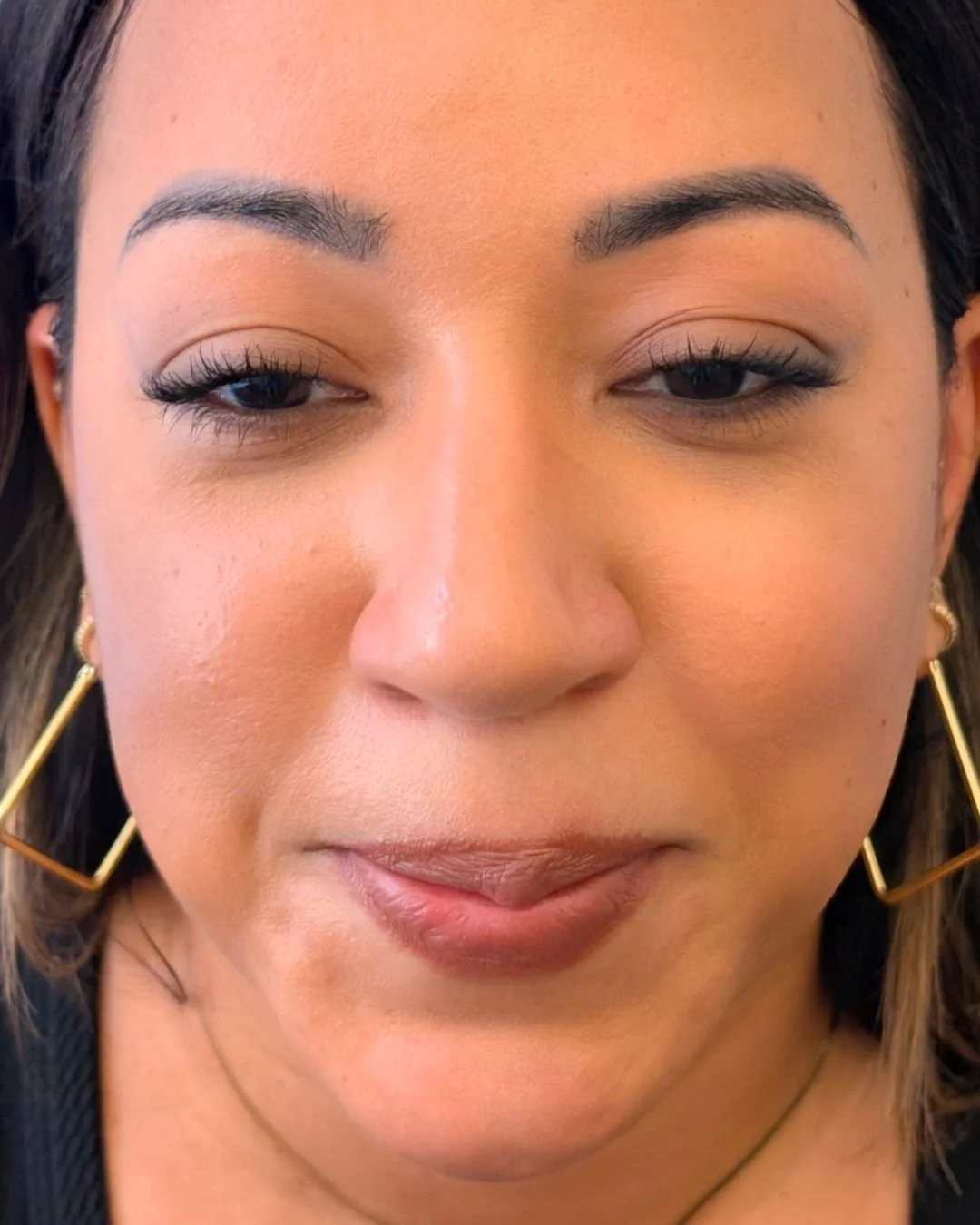
After removal #1. We reassess after healing (often 4+ weeks). Your body's response guides the next step.
Why waiting matters: you can only judge true fade once skin settles.

After removal #2 (if needed). Often after a couple removal sessions the pigment lifts enough so we can rebuild over top.
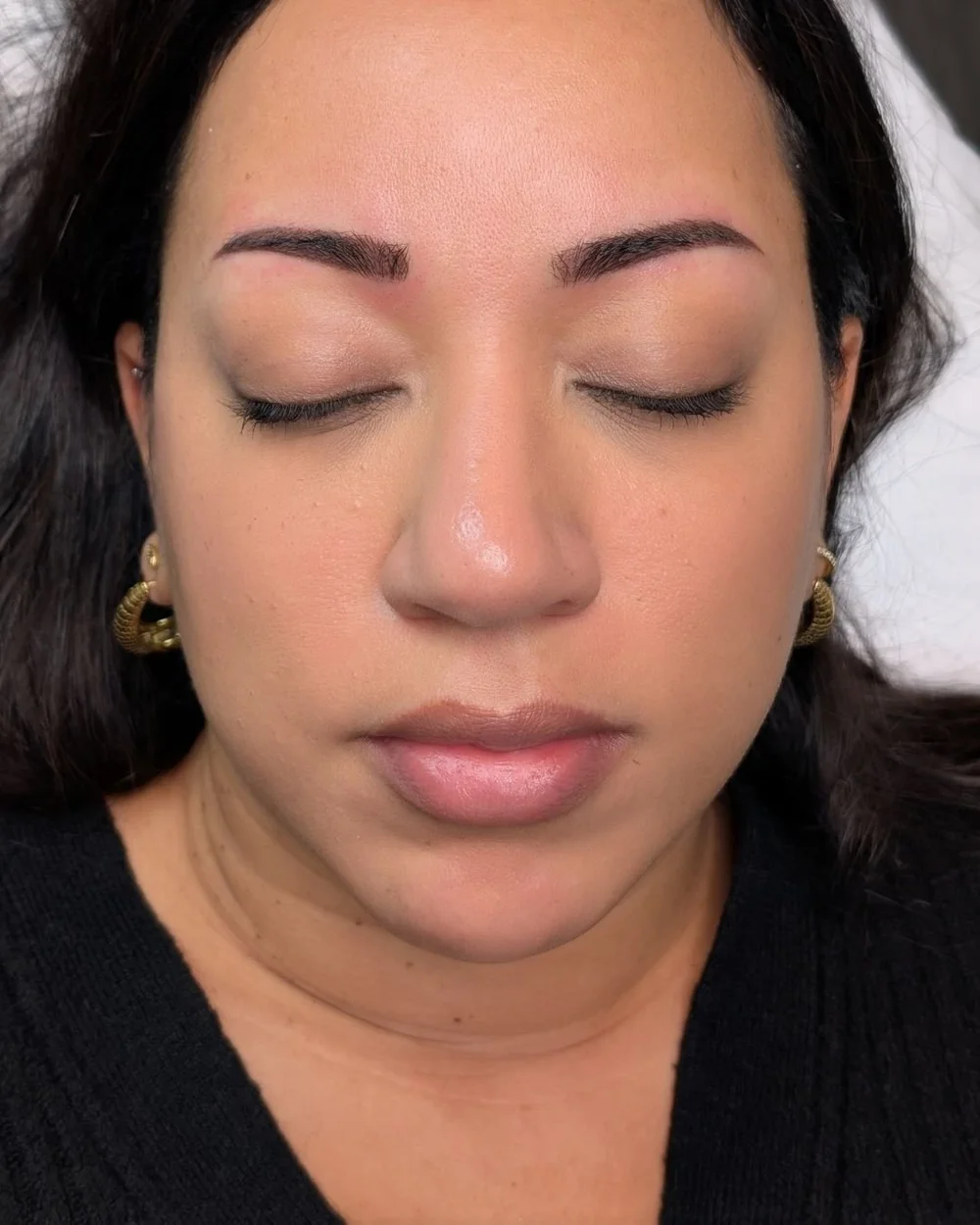
Rebuild with correction. Once the pigment is cleared, we neutralize undertone and rebuild shape softly.
Scenario 3: Heavy Oversaturation ("Long Haul" Plan)
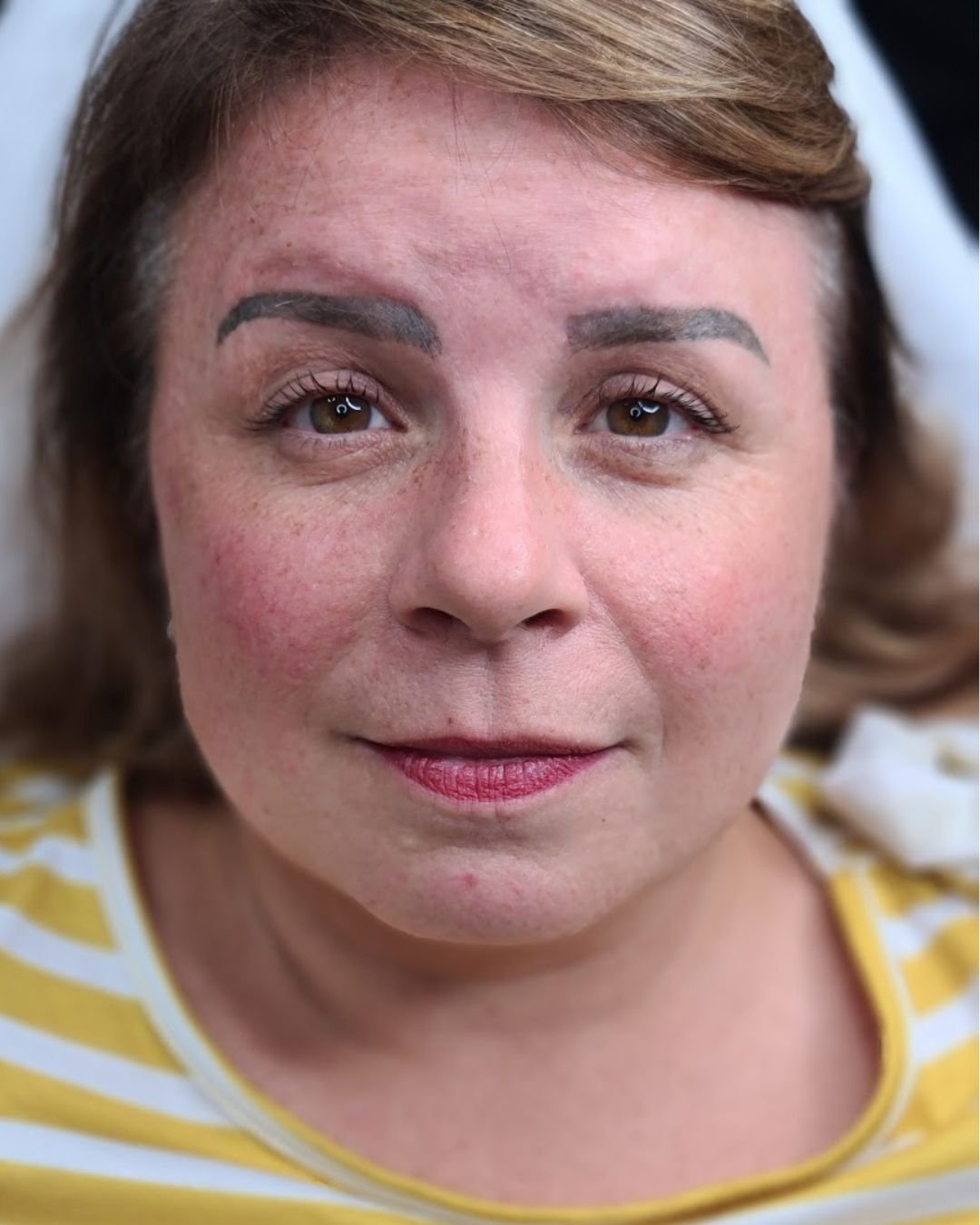
Starting point. Pigment is dense. If we correct on top, it can look heavier—so we soften first.
Goal: create breathing room in the skin so the rebuild can look natural.
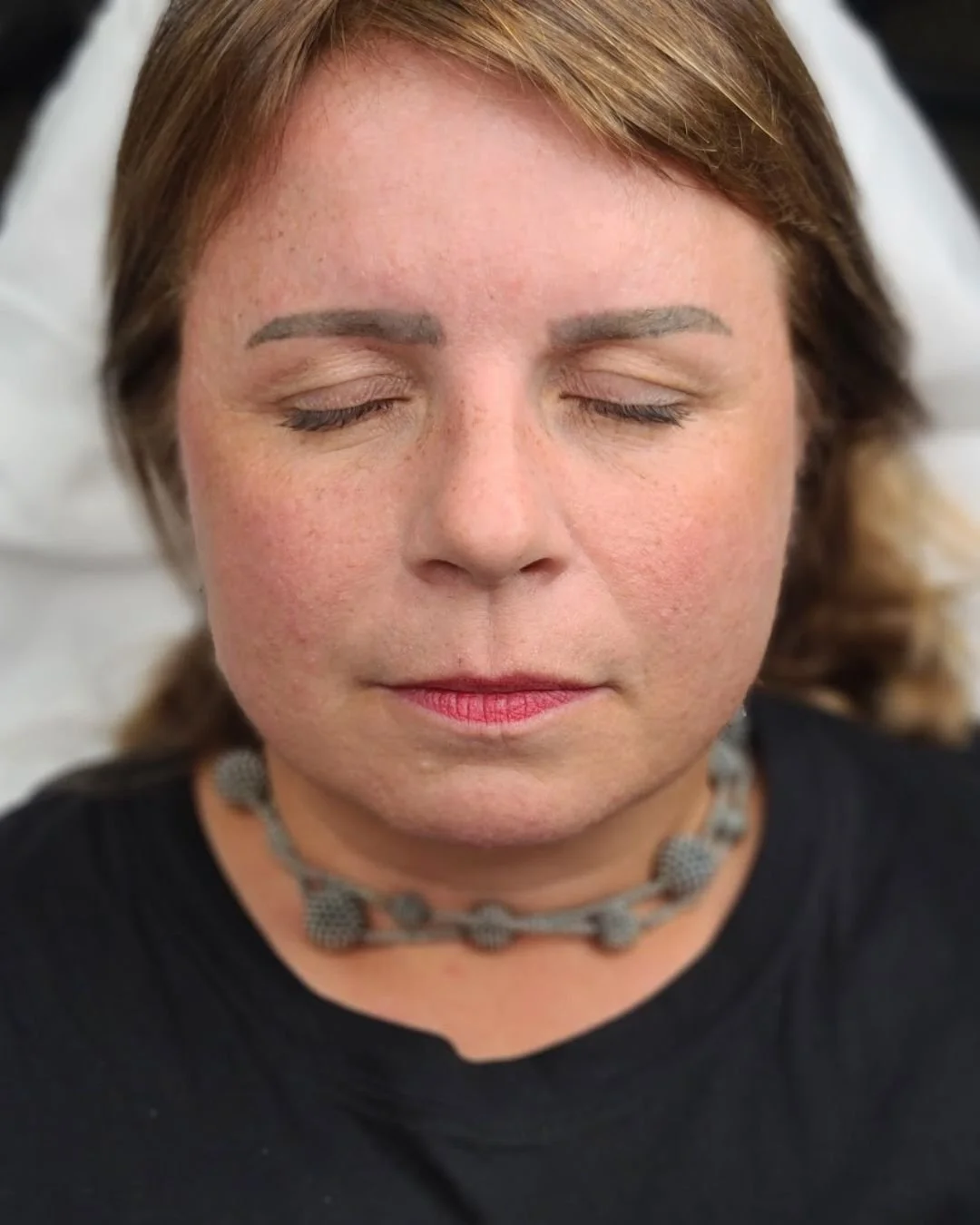
After removal #1. Some areas lift; others remain. We track progress and protect your skin barrier.

After removal #2. This is where most clients feel relief—shape starts to look lighter, and we can see the true undertone.

After removal #3. Some clients can start re-building here, but it depends on how your body clears the pigment.

After Removal #4+ Some pigment takes longer. Your timeline depends on how your body clears pigment.
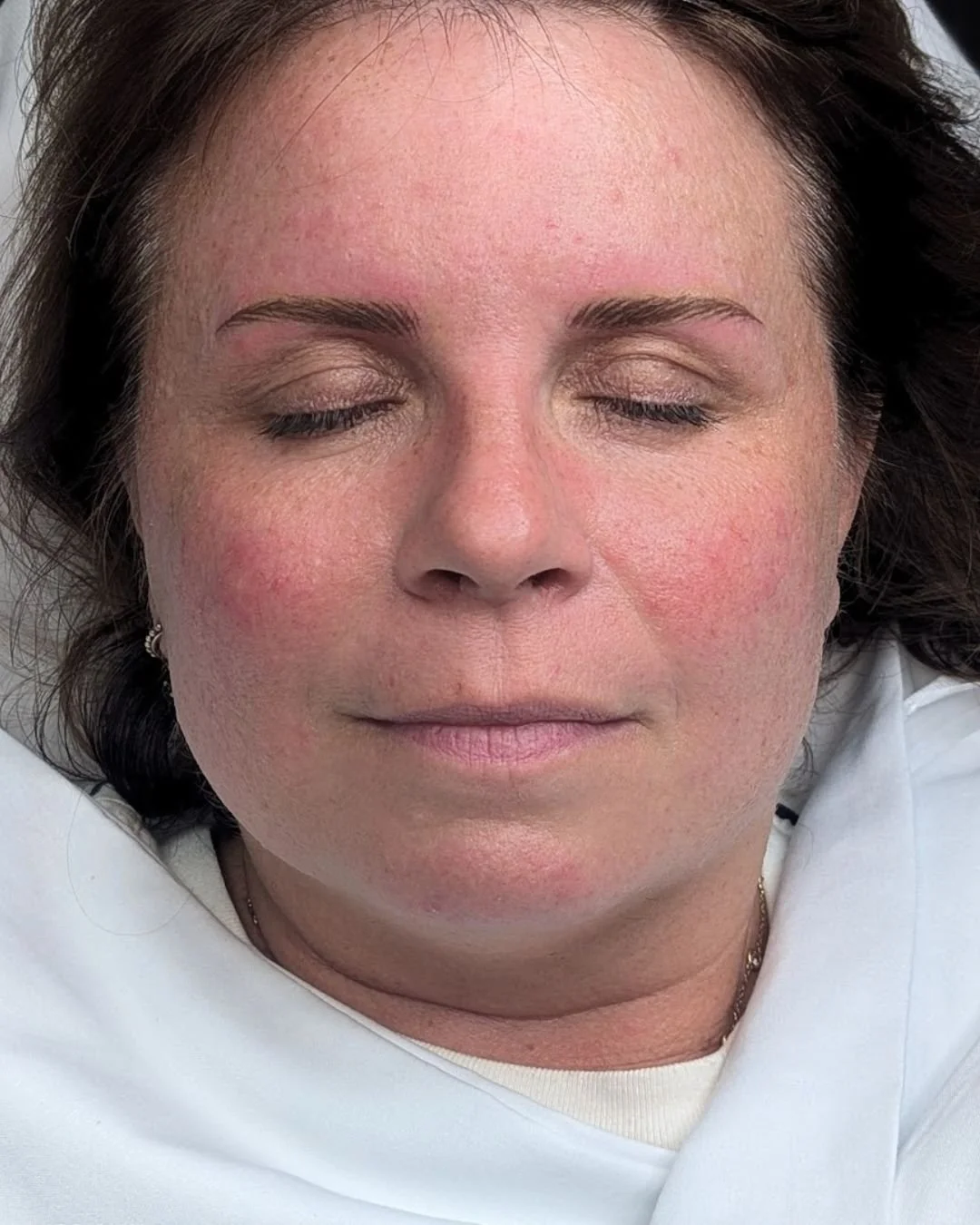
Rebuild. Once the pigment is sufficiently cleared, we rebuild softly—mapping to bone structure and layering color conservatively.
Aftercare & Preparation
Before your session: pause retinoids and strong actives for 10–14 days, avoid exfoliation near the brow area, and protect skin from sun exposure. This helps minimize irritation and supports smoother healing.
Between sessions: expect that we'll typically wait 4+ weeks so skin can fully cycle. This spacing protects your barrier and gives a clear, honest read on how much pigment truly lifted.
After your session: dryness or flaking can occur. Do not pick. Follow your aftercare plan carefully—the goal is smooth healing and predictable results.
Sun exposure can worsen inflammation and complicate healing. Hats and sunglasses are your best friends during staged removal plans.
Frequently Asked Questions
How many sessions will I need? Many removal journeys take 2–6+ sessions spread over multiple months (not weeks). Sessions are typically spaced about 4+ weeks apart so your skin can fully heal and we can assess true pigment behavior safely. Correction is commonly done as an initial session plus a touch-up 4–6 weeks later.
Will laser turn my brows pink? Some pigments can pass through intermediate warm-looking stages or temporarily darken. This is why patch-testing and staged planning matter when pigment composition is unknown.
Can you fix my shape? In many cases, yes. If the base is too saturated or the shape is fundamentally wrong, we may recommend removal first to avoid compounding.
Does removal hurt? Sensation varies. Numbing protocols help, and we keep your plan realistic so you feel informed at each step.
How soon can I get new brows? Once the canvas is safe. The limiting factor is skin health, not impatience—healthy skin delivers the most natural results.
Le Kitsuné: Natural, Maintainable Brows—Even After Old Work
Most clients who come in for correction or removal are nervous at first—and that's completely normal. Our job is to make the process clear, staged, and safe. We'll assess your pigment, your skin, and your goals, then build a plan that prioritizes a natural result.
Natural first, adjustable always. If you're ready for brows that feel like you again, we'd love to guide you.