
Why You Should Get Microblading Touch-Ups Every 6–8 Months
Why the Best Microblading & PMU Strategy Is a Touch-Up Every 6–8 Months
Perfect brows don't announce themselves. They simply work—quietly framing your face, balancing your features, and letting you forget about them altogether. The secret to that kind of consistency isn't darker pigment or making it "last as long as possible." It's timing.
Quick Take
Best timing: a touch-up every 6–8 months—before fading becomes visible, not after.
The goal: brows that always look intentional. No awkward in-between phases. No scrambling to fix fading later.
The approach: lighter, more controlled pigment—maintained thoughtfully over time—instead of heavy applications that age poorly.
PMU Is Designed to Fade—and That's a Good Thing
Despite the name, permanent makeup isn't meant to stay frozen in time. Microblading, nano brows, and powder techniques are designed to sit in the upper layers of the skin so they can soften, evolve, and age gracefully with you.
This is intentional.
As your skin renews itself, pigment slowly breaks down. That's how we avoid brows that look heavy, outdated, or disconnected from your face years down the line. If you're curious about what that process looks like week by week, our healing process guide walks through the full timeline.
What many people don't realize is that fading doesn't happen all at once. It happens gradually—and for most clients, we begin to see that process accelerate around the 6-month mark.
Not gone. Not "bad." Just softer.
And that moment is exactly where great maintenance lives.
As pigment breaks down, you may notice subtle tone shifts—this is how cosmetic tattoo pigments behave over time. Our color evolution guide explains what to expect and why these changes are built into our approach.
Not everyone fades at the same rate. Your skin type, lifestyle, and even your skincare routine all change how quickly pigment breaks down—and when you'll need your next refresh. See how your skin affects your timeline →
Curious what the weeks after your appointment actually look like? This guide covers every healing stage from day one through full settle.
How Your Skin Affects Your Touch-Up Timeline
One of the most common questions we hear is "why did my friend's brows last longer than mine?" The answer is almost always skin type and lifestyle. Everyone retains pigment differently, and understanding how your skin works is the key to getting the most out of every appointment.
Here are the factors that matter most:
High impact. Oily skin is the single biggest factor in accelerated fading. Excess sebum sits on top of the skin and gradually lifts pigment from the surface, causing strokes to soften and blur faster. If you're naturally oily, expect fading closer to the 5–6 month mark—and plan your touch-ups accordingly.
Oily skin types also tend to heal with slightly softer, more diffused strokes regardless of technique. This isn't a flaw—it's just how your skin takes pigment. A maintenance-focused approach accounts for this from day one.
High impact. Your skin completely renews itself every 28–40 days. Faster turnover means pigment gets pushed out more quickly as old cells shed and new ones replace them. Younger clients and those with naturally fast-cycling skin often see earlier softening—not because the work was done poorly, but because their skin is simply more active.
Moderate impact, highly controllable. UV light breaks down pigment molecules in the skin—it's the same reason regular tattoos fade over decades. Facial skin is significantly thinner than body skin, and it gets more sun exposure than almost any other area. Daily SPF is the single easiest thing you can do to extend the life of your brows between appointments.
Moderate impact, highly controllable. Retinoids, AHAs, BHAs, and vitamin C serums all accelerate cell turnover—which is great for your skin, but works against pigment retention. If you use actives regularly, your brows may fade faster than someone using gentler products. You don't need to stop your skincare routine, but it's worth factoring into your touch-up timing.
We always recommend pausing retinoids and strong actives for 10–14 days before your appointment. Our pre-care guidelines cover exactly what to adjust and when.
Background factor. Some people simply retain pigment better than others—there's a genetic component to how your immune system interacts with foreign particles in the skin. Skin tone also plays a role: pigment contrast is more visible on lighter skin, so softening may appear more noticeable even if the actual retention rate is similar.
Cumulative impact. Frequent sweating (intense exercise, saunas, hot yoga), swimming in chlorinated or salt water, and living in hot or humid climates all accelerate fading. None of these are reasons not to get microblading—they just mean your touch-up window may be on the shorter end of the 6–8 month range.
What this means for you: your ideal touch-up timing is personal. Some clients look great at 8 months. Others need a refresh at 5. This is exactly why we start conservative—a lighter initial deposit lets us see how your skin responds before committing to depth or density. Each touch-up teaches us more about your retention pattern, so over time we can dial in exactly what your skin needs for consistently beautiful results.
Think of the first appointment as the introduction. The touch-ups are where we fine-tune the relationship between pigment and your skin—and that's where the magic happens.
Related GuideIf you use retinol, AHAs, or active exfoliants, timing matters. This guide covers exactly when to pause and restart around your appointment.
Understanding FadingPigment chemistry, sun exposure, and skin biology all affect how your brows change. Knowing what's normal helps you time your touch-ups better.
Why 6–8 Months Is the Sweet Spot
By around six months, most brows still look good to the untrained eye—but under close inspection, we typically see: strokes losing crispness, density softening unevenly, tone beginning to lighten or warm, and structure becoming less defined.
This is the ideal time to refresh.
A touch-up at this stage doesn't mean starting over. It means reinforcing what's already working, so your brows never cross into the "faded" phase at all.
Think of it like tailoring something you love—small, precise adjustments that keep everything effortless.
By 10–12 months, fading often accelerates past the point of a simple refresh. What could have been a light pass becomes a heavier rebuild. The 6–8 month window keeps you in "maintenance mode" instead of "repair mode." See what a 12+ month gap actually looks like →
Why "Lasts Longer" Isn't Always a Compliment
You may hear that some brows last longer without touch-ups. And technically, that can be true. But here's the nuance most people don't talk about:
The "Lasts Forever" Approach
What it looks like: pigment implanted too deeply, oversaturated at the start, much darker than it should be initially.
The tradeoff: these brows may appear to "hold"—but they're also more likely to color-shift (ashy, gray, or warm over time), blur instead of fade cleanly, and eventually require correction or removal.
Bottom line: longevity without quality isn't a win.
The Maintenance Approach
What it looks like: lighter, more controlled pigment deposit. Brows heal soft and natural. Maintained with strategic touch-ups every 6–8 months.
The advantage: brows stay elegant instead of aging poorly. Color stays true. Shape remains refined. And if your preferences change, adjustments are easy.
Bottom line: this is the Le Kitsuné approach—natural first, adjustable always.
The gap between "lasts longer" and "looks better longer" comes down to who's holding the tool — experience, technique, and long-term thinking.
Touch-Ups Are About Consistency, Not Correction
A 6–8 month touch-up allows us to: reinforce strokes that softened naturally, even out areas that faded faster than others, subtly rebalance tone if needed, and keep your brows looking intentional—not "in progress."
Most importantly, it allows us to build your brows over time, rather than forcing everything into one heavy application. That layered approach isn't just about pigment—it's about finding and refining the shape that works best for your unique facial structure, and having the artist expertise to adjust it over time.
That's how brows look good not just once—but always.
Natural first, adjustable always. We intentionally build with less pigment so brows heal softer, fade more evenly, and remain easy to adjust over time. Each touch-up builds on the last—layering refinement rather than adding weight.
Touch-ups aren't just about color — they're a chance to refine placement and proportion as your face naturally changes. 15K+ faces of experience.
What Happens When You Wait Too Long
Some clients prefer to wait until their brows look noticeably faded before booking. While that's always an option, it often means: needing more pigment to rebuild structure, less precision than a simple refresh, longer appointments, and sometimes starting over instead of refining.
Clients who refresh earlier typically experience: shorter appointments, lighter pigment passes, and more consistent results year-round.
See Real Client ComparisonsGetting the most out of your touch-up starts before you walk in. Pause retinoids and strong actives for 10–14 days, and review our pre-care and aftercare guidelines so your skin is ready for the best possible result.
If your brows have faded significantly or shifted color, correction or removal may be the best path forward. Here's what that process looks like.
Not sure where to start? Email us or call (213) 245-1459
Real Client Examples: Touch-Up Progressions
Below are example progressions showing what the 6–8 month maintenance cycle looks like in practice. Swipe through the timeline, or tap any image to view the full journey.
Example 1: The Standard 6-Month Refresh
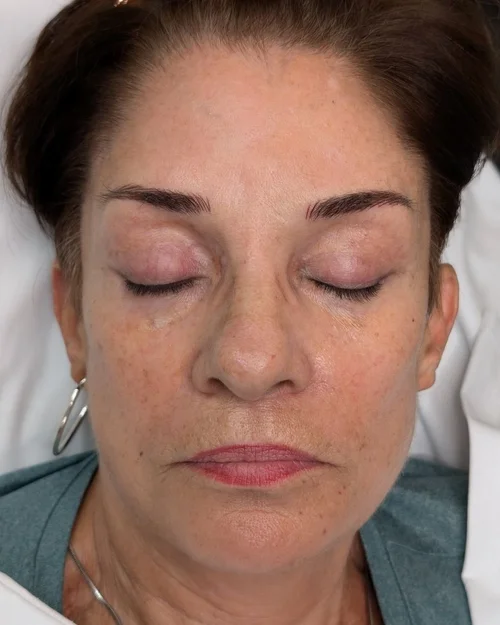
Fresh healed result. Crisp strokes, balanced tone, soft natural density. This is the baseline we're maintaining.
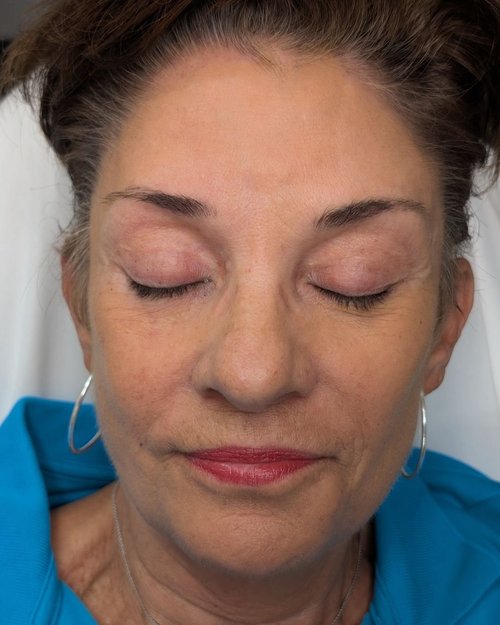
~6 months later. Brows haven't disappeared—they've simply lost some crispness. Strokes are softer, tone has lightened slightly. Still presentable, but ready for a refresh.
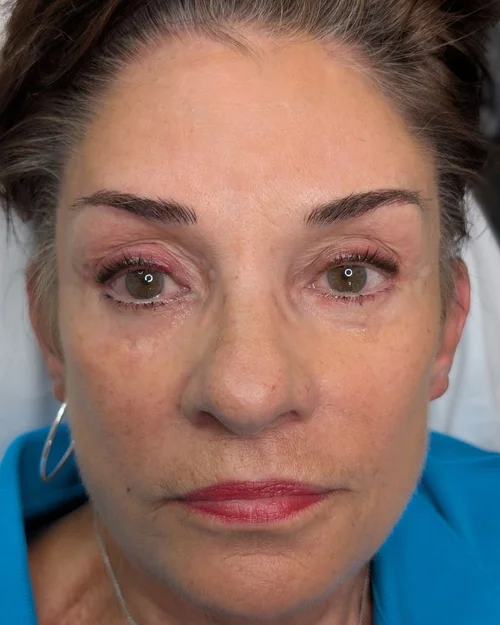
Clarity restored. Not darker—just crisper. Strokes are reinforced, tone is rebalanced, and the brows are back to looking intentional without any heaviness.
Example 2: What Waiting 12+ Months Looks Like
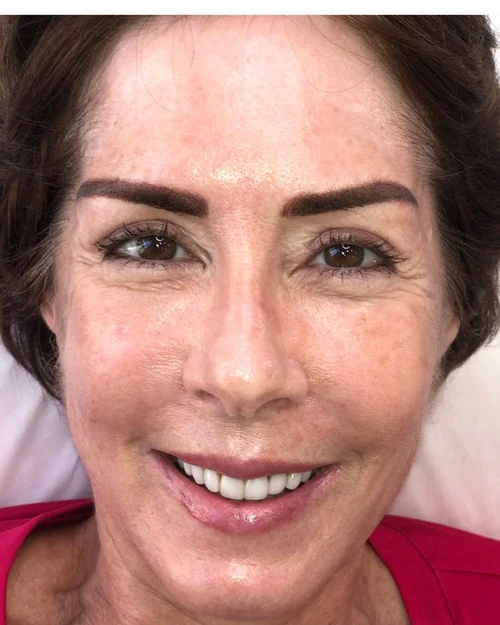
Great initial result. Crisp strokes, balanced density. This client healed beautifully—a strong foundation that should have been maintained.
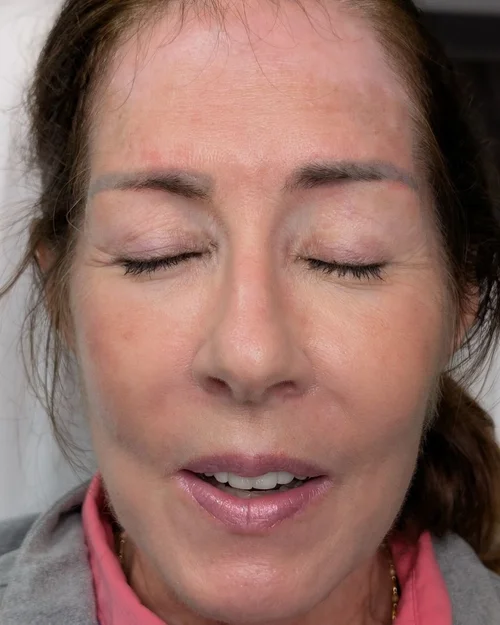
Well past the window. Strokes have lost most of their definition. Density is uneven—some areas held, others faded significantly. Tone has shifted. This isn't a quick refresh anymore.
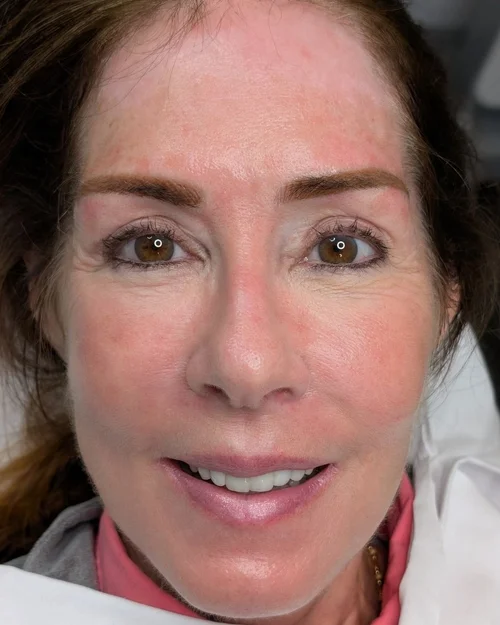
Back on track—but it took more work. We restored these beautifully, but the session required heavier pigment deposit and more passes than a timely 6-month refresh would have. Coming back sooner keeps things easier for everyone.
Example 3: The Long Game — Two Years of Consistent Maintenance
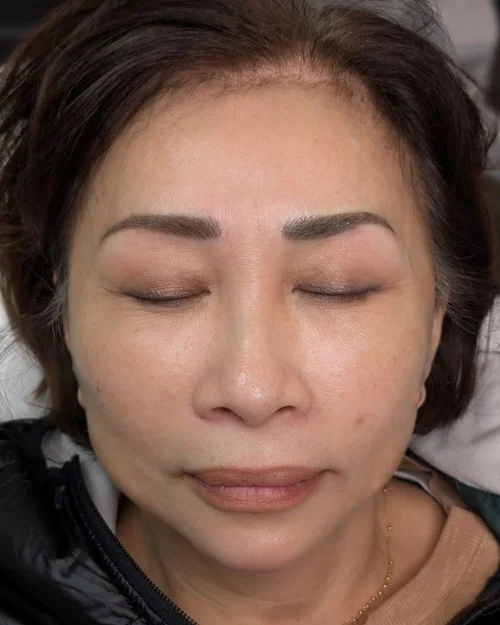
The starting point. Fresh healed result from the initial appointment. Natural, soft, conservative—everything starts here.
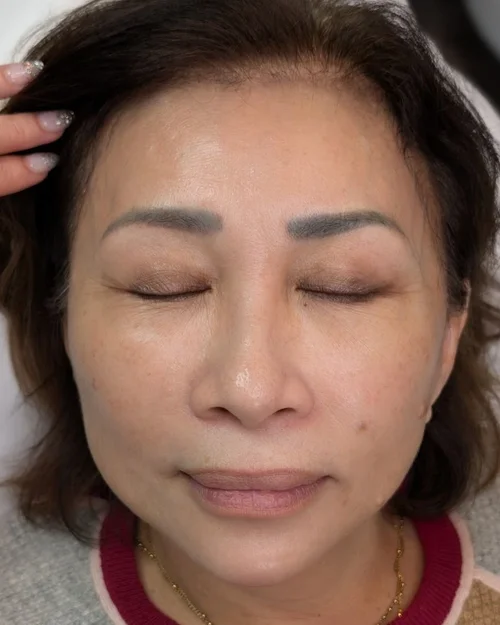
~6–8 months later. Strokes have relaxed and tone has shifted slightly. Still presentable—but the softening is visible. Time for the first maintenance refresh.
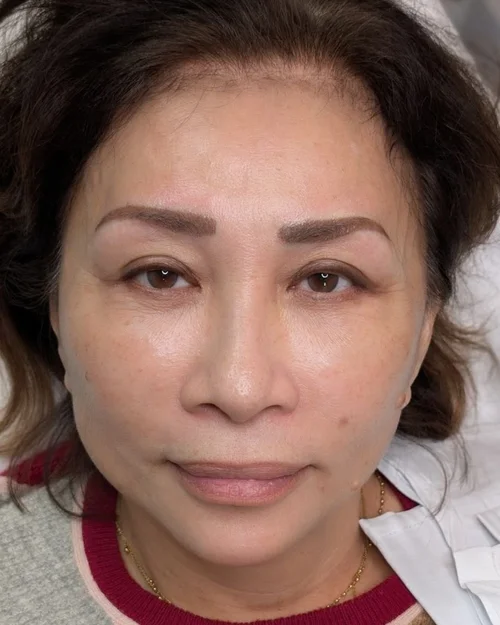
First refresh complete. Strokes reinforced, tone balanced. Already looking more refined than the original healed result because we're building on an established base.
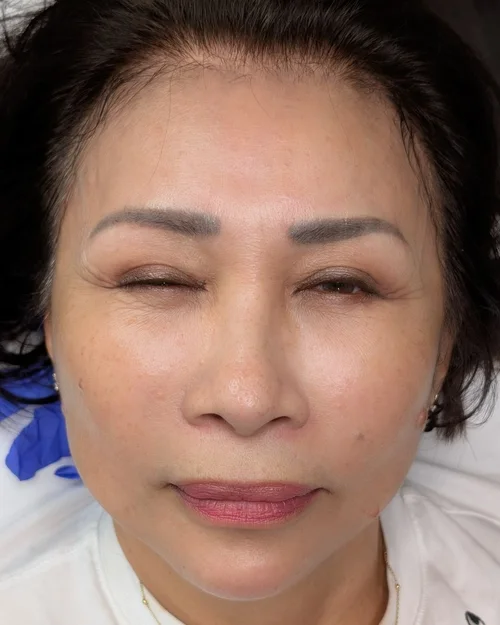
~6–8 months after the first refresh. Brows may retain slightly better this time because the base has been reinforced. Still soft, still ready—but the improvement from last cycle is holding stronger.
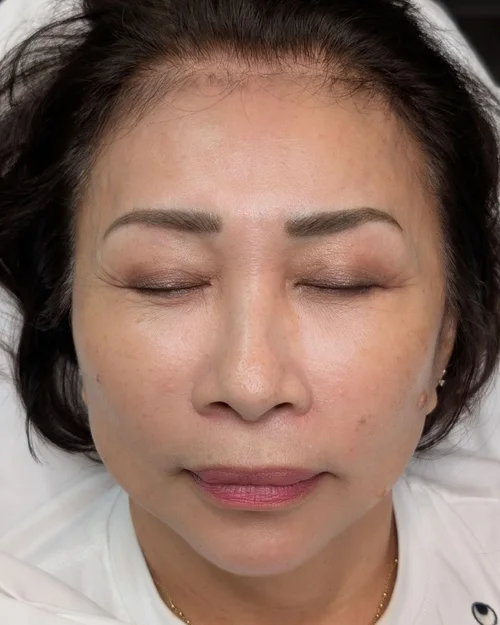
This is the payoff. Two years of consistent maintenance. Brows that look better now than they did on day one—softer, more dimensional, and completely natural. This is what "always done" looks like.
The Goal Isn't "Done." It's Always Done.
The best compliment we hear isn't "my brows are still there." It's "I don't even think about them anymore."
That's what a 6–8 month strategy delivers: brows that always look intentional, no awkward in-between phases, no scrambling to fix fading later. Just brows that quietly do their job—beautifully.
If your goal is to look good all the time, not just right after your appointment, then your PMU strategy should include a touch-up every 6–8 months. Not because something went wrong. But because everything is going right.
Frequently Asked Questions
How often should I get a microblading touch-up? For most clients, a touch-up every 6–8 months helps maintain crispness and tone before fading becomes obvious. Everyone's skin and lifestyle are different, but this window is a reliable maintenance sweet spot. If you're not sure whether your brows are ready, check our what to expect guide or book a quick consultation.
What happens if I wait longer than 8–12 months? Waiting longer often means more noticeable fading and less precision when refreshing. In some cases, it can require rebuilding rather than refining, which takes more time and pigment. If your brows have faded significantly or shifted color, we may recommend a different approach—our corrections guide covers what that looks like.
Will a touch-up make my brows darker? A well-timed touch-up is designed to restore clarity—not heaviness. The goal is to refresh before fading becomes obvious, so results stay soft and natural. We use conservative pigment deposit to reinforce what's already working, not to add intensity.
Do touch-ups hurt less than the initial appointment? Many clients find touch-ups easier than the initial session because less work is needed. Comfort varies by individual, but topical numbing and a lighter pigment pass typically make a 6-month refresh very manageable.
How long does a 6-month touch-up take? A timely refresh is typically shorter than the initial appointment. Because we're reinforcing existing work rather than building from scratch, the session moves more efficiently. Exact timing varies by client and what your brows need.
What's the difference between a touch-up and a new appointment? A touch-up refreshes and refines existing work—reinforcing strokes, evening out fading, and rebalancing tone. A new appointment involves full mapping, shaping, and building from scratch. Regular 6–8 month touch-ups keep you in the "refresh" category, which is faster, lighter, and more consistent.
Am I a good candidate for regular touch-ups? Most clients who had a successful initial appointment are great candidates. If you have specific skin conditions or concerns, our candidacy guidelines can help you understand what to expect. And you can always read what other clients have experienced on our testimonials page.
Why does microblading fade faster on some people? Everyone's skin retains pigment differently. Oil production, cell turnover rate, sun exposure, skincare routine, and genetics all play a role. Some clients hold pigment like it was always there—others see noticeable softening within a few months. This is exactly why we start conservative: it lets us learn how your skin responds and calibrate depth and saturation at each touch-up for consistently great results.
Is a touch-up less expensive than the initial appointment? Generally, yes. A timely 6-month refresh is lighter work—reinforcing existing pigment rather than building from scratch. Waiting too long may require a full rebuild, which can approach the cost of the original appointment. Contact us for current pricing.
Do oily skin types need touch-ups more often? Oily skin tends to break down pigment faster because higher sebum production accelerates fading. If you have oily skin, you may benefit from touch-ups closer to the 6-month mark rather than waiting the full 8 months. A conservative, maintenance-focused approach is especially important for oily skin, as it helps prevent pigment from spreading or blurring between appointments.
Everything to do (and avoid) before and after your brow appointment for the best possible healing.
Technique Deep-DiveWhy nanoblading has become the go-to technique for natural, hair-like results — and how it compares to other methods.
Our PhilosophyWhy we build conservatively — and how it leads to brows that age gracefully instead of becoming a problem to fix.
Le Kitsuné: Brows That Always Look Like You, on Your Best Day
At Le Kitsuné, we believe the best permanent makeup is the kind you don't think about. Our 6–8 month maintenance approach is designed for exactly that—brows that stay soft, natural, and consistent without ever crossing into "faded" territory.
Natural first, adjustable always. Whether you're a returning client ready for your next refresh or exploring microblading for the first time, we'd love to guide you.