
Does Microblading Look Natural? How to Avoid Brows You'll Regret
Will Permanent Makeup Look Natural? How to Avoid Brows You'll Regret
The #1 concern we hear in consultations — and the design choices, technique decisions, and artist instincts that make the difference between brows you love and work you wish you could undo.
Navigate This Guide
Natural results are 100% achievable — with the right artist, technique, and approach. The fear is valid. The outcome is controllable.
Unnatural results come from specific, avoidable mistakes: oversaturation, template shapes, wrong pigment, trendy designs that won't age.
The key is conservative application — start lighter, build up at the touch-up, design for your bone structure. Not someone else's brows on your face.
Hybrid technique creates the most natural look — nano strokes for hair-like realism, powder shading for natural fullness.
Why This Is Everyone's #1 Concern
If you're researching permanent makeup and you're nervous about looking fake or overdone — you're in excellent company. It's the single most common thing people bring up, more than pain, more than cost, more than anything else.
This guide explains exactly what makes the difference.
We'll cover why some permanent makeup looks fake (and the specific choices behind it), how natural results actually happen, what to expect right after, and what real results look like across different skin types and starting points. After 15,000+ procedures over 10+ years, the patterns are impossible to miss — and every single one of them is avoidable.
The #1 Fear We Hear: "I Don't Want to Look Fake"
"I just want to look like myself." "I don't want Instagram brows." "I want it to look like I was just… born with really good brows."
We hear some version of this in nearly every consultation. It's always the first thing. And if you're feeling that way: good. Seriously. The fact that you're worried about looking natural is actually the best possible sign.
It means you care about the outcome. It means you're not chasing a trend. It means you're looking for someone who's going to listen to what you want instead of just doing whatever gets the most likes on Instagram.
Here's the thing — the problem was never permanent makeup itself. The problem is who does it and how they do it. There are real, specific reasons why some permanent makeup looks fake, and every single one of them is avoidable with the right artist, the right technique, and the right philosophy.
Why Some Permanent Makeup Looks Fake — The Red Flags
Unnatural-looking permanent makeup doesn't just happen. It happens because of specific choices — usually by the artist, usually during the design phase — that prioritize impact over longevity.
Around 30% of our work at Le Kitsuné is corrections. After fixing thousands of them, the patterns are clear.
Too much pigment, too fast
This is the single biggest reason permanent makeup looks unnatural. Some artists pack in as much pigment as possible so brows look dramatic immediately. The pitch is usually "it'll fade into perfection."
But here's what actually happens: dense pigment shifts color as it ages. Carbon-heavy pigments turn blue-gray. Iron oxides can oxidize orange. And oversaturation kills dimension — individual strokes blur into a solid block of color. Flat. Stamped on. Exactly what you were afraid of. We go deeper on this in why the heavy-handed approach fails.
One shape for every face
Some artists use stencils or templates — or they just have a "signature shape" they put on everyone. Your brow shape should come from your bone structure, your eye shape, your natural hair growth. Not whatever's trending this month.
The sign of a really skilled artist isn't that all their work looks the same. It's that all their work looks like it belongs on the face it's on. More on this: how top artists actually design brow shapes.
Trendy shapes that won't age well
Brow trends change constantly. Super high arches. Thick and bushy. Razor thin. Whatever's trending now is going to look dated in a couple of years — but your brows are still going to be on your face. An artist who designs around your anatomy is designing something that looks right now, next year, and five years from now.
The wrong pigment for your skin
Picking pigment isn't as simple as "light, medium, dark." Your skin has undertones. Your hair has undertones. The pigment itself has undertones. A cool-toned pigment on warm-toned skin behaves differently than on cool skin. When selection misses the mark, you get brows that look right for three months and then drift into gray, pink, or orange. Those aren't defective pigments — they're artist errors in color selection. Why PMU colors fade and shift over time →
Pull up an artist's portfolio. If every single client's brows look identical — same shape, same thickness, same arch — that's not consistency. That's a template. Natural results come from customization. Every face should look different in the portfolio because every face is different.
How Natural Results Actually Happen: The Le Kitsuné Design Process
Natural-looking brows aren't a happy accident — they're the result of intentional choices at every single step.
We start with your face — not a template
Everything begins with your bone structure. The brow bone, the orbital bone, where your eyes sit relative to your forehead and nose — these are the landmarks that don't change with trends or aging. We design around them.
We also match our strokes to your existing hair growth pattern — the direction of the hairs, the density, the natural pattern. Natural brows aren't uniform: inner hairs grow upward, body hairs angle out, tail hairs sweep in a specific direction. We work with that, not against it.
We pick pigment for how you'll look in two years — not just today
We don't choose color to match how you look under studio lights right now. We choose based on how pigment will express through your specific skin after it settles and lives through months of sun, skincare, and cell turnover. That means understanding your skin's undertone, oiliness, thickness, and how your body processes pigment. We're playing the long game, always.
Start soft, build up — never the other way around
We can always add more. Taking away requires expensive interventions.
We start with less pigment than you might expect. The first session lays down shape and a foundation of color. Then the complimentary touch-up at 4–6 weeks gives us the chance to see how your skin responded and whether you want more depth, more density, or any shape adjustments. A lot of clients come back feeling bolder — they've been living with the brows, they're ready for a little more. That's exactly how it should go.
Our whole approach is built so that you look good at every stage — leaving the studio, during healing, at your touch-up, and for months afterward. "It'll look good in 9 months once it fades" is not a standard we accept for our clients.
Why we build conservatively and how it leads to results that stay soft, natural, and correctable over time.
"But Won't It Look Too Dark at First?"
Yes — your brows will look darker right after than they'll look once fully settled. That's true no matter the technique, and it's completely normal. The pigment is fresh and sitting on top of the skin. As it heals over the next couple of weeks, the color softens significantly — often 40–50% lighter.
Here's why this matters: with an oversaturated heavy-handed approach, that initial "dark phase" can be startling. Brows that look almost painted on, and you're told to trust the process and wait months.
With a conservative approach? The dark phase is mild. Yes, your brows will look a little bolder for a few days. But "a little bolder" and "oh my god what happened to my face" are very different experiences. Most of our clients go to dinner that night. They attend meetings the next day. Most people in their lives won't notice anything except "hey, your brows look really good."
There's a big difference between "fresh pigment that's a shade darker than the final result" (normal, temporary, resolves in days) and "oversaturated pigment that'll take months to calm down and might shift to a weird color" (a technique issue). The initial darkness isn't the red flag — how much darkness and the approach behind it is what matters.
Technique Matters More Than You Think
The tool your artist uses has a direct impact on how natural your brows look — both immediately and as they age.
Traditional manual microblading creates strokes by dragging a blade across the skin. As those cuts heal, strokes can spread and blur — especially on oily or thicker skin. Over time, what started as crisp hair-like lines can turn into fuzzy marks that look less like individual hairs and more like smudges.
The machine-based nano technique works differently. It creates strokes through thousands of tiny needle punctures — no dragging, no cutting. Pigment placement is more controlled, depth is more consistent, and strokes hold their crispness much better over time.
Then there's the powder component of our hybrid method — soft, diffused shading behind the strokes. This creates the same depth and fullness that real brow hair has when you look at it from across the room. It's that combination — crisp nano strokes for hair-like detail up close, powder shading for natural fullness at a normal distance — that makes brows read as "she just has great brows" instead of "those are tattooed on."
Neither approach alone gets you there. It's the fusion of the two that creates real dimension.
Your Skin, Your Life, Your Results
Even with a great artist and perfect technique, your biology plays a role in how permanent makeup looks over time. This isn't a disclaimer — it's useful information.
Skin type
Oily skin softens and diffuses pigment faster. Hair strokes may not stay as crisp because natural oils cause pigment to spread microscopically. This is actually one of the big reasons the hybrid approach exists — the powder component holds up beautifully on oily skin even as fine strokes gradually soften. A skilled artist adjusts their technique to your skin. The skin doesn't adapt to the artist — the artist adapts to the skin.
Sun exposure
UV is the single biggest external factor affecting pigment longevity. Sun breaks down pigment particles unevenly. Clients who protect their brows with SPF consistently get longer-lasting, more natural-looking results. It's just how pigment and light interact.
Your skincare products
Retinoids, AHAs, BHAs, and other exfoliating actives speed up skin cell turnover — which means they speed up pigment fading too. Totally manageable with regular touch-ups, and worth talking about during your consultation. More on this: Is your skincare routine safe for permanent makeup?
What "realistic" actually means
Permanent makeup is pigment expressed through your skin. That soft, skin-filtered quality is exactly what makes it look real instead of "done." When you look at someone with well-executed permanent makeup, you don't see tattoo lines — you see what looks like naturally full, balanced brows. The skin is the filter, and the filter is what makes it convincing.
We'd much rather your brows gently soften over time and get refreshed at a touch-up than stay dark and rigid for years. Gradual fading means your artist can tweak shape, color, and density as your face naturally changes. Permanent makeup that fades gracefully and gets maintained regularly will always look more natural than work designed to last as long as possible without ever being touched. More: Why touch-ups every 6–8 months make such a difference.
What "Natural" Actually Looks Like: Real Clients, Real Results
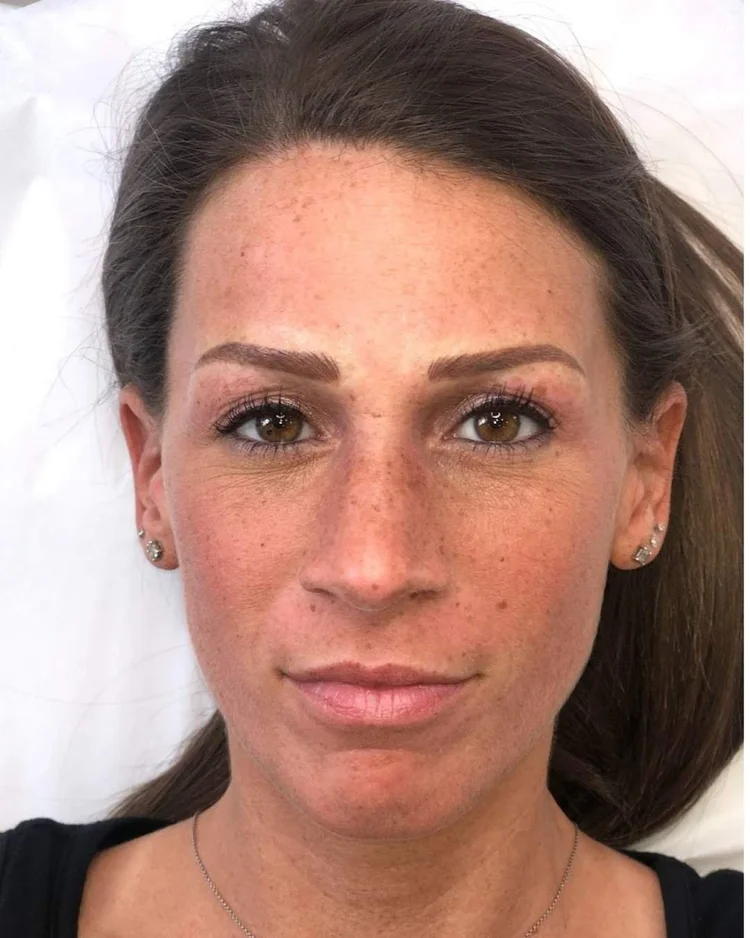
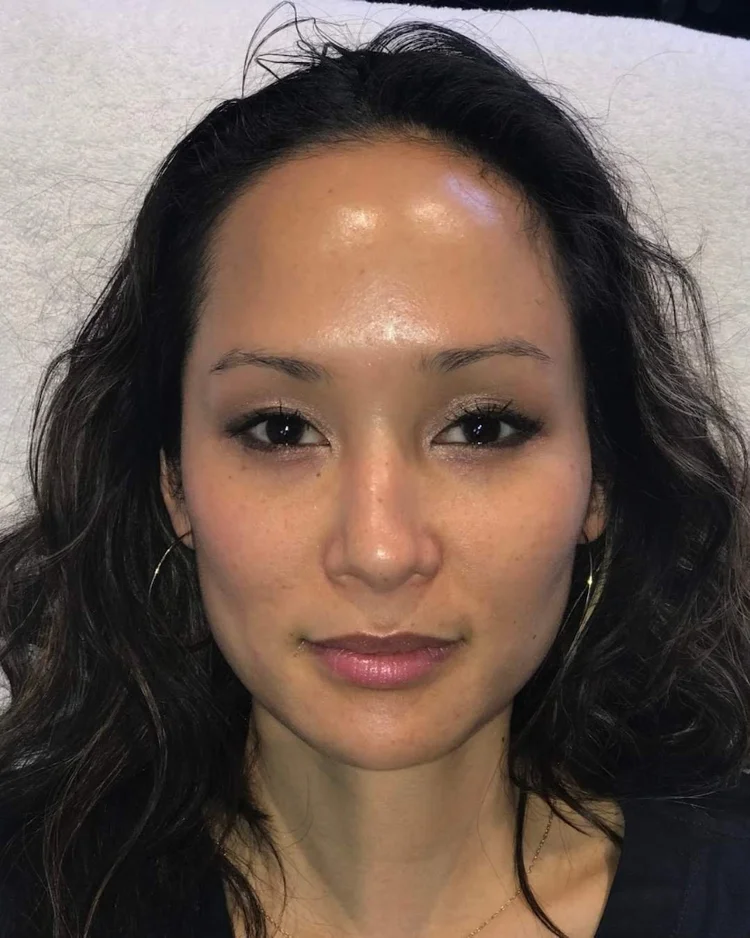
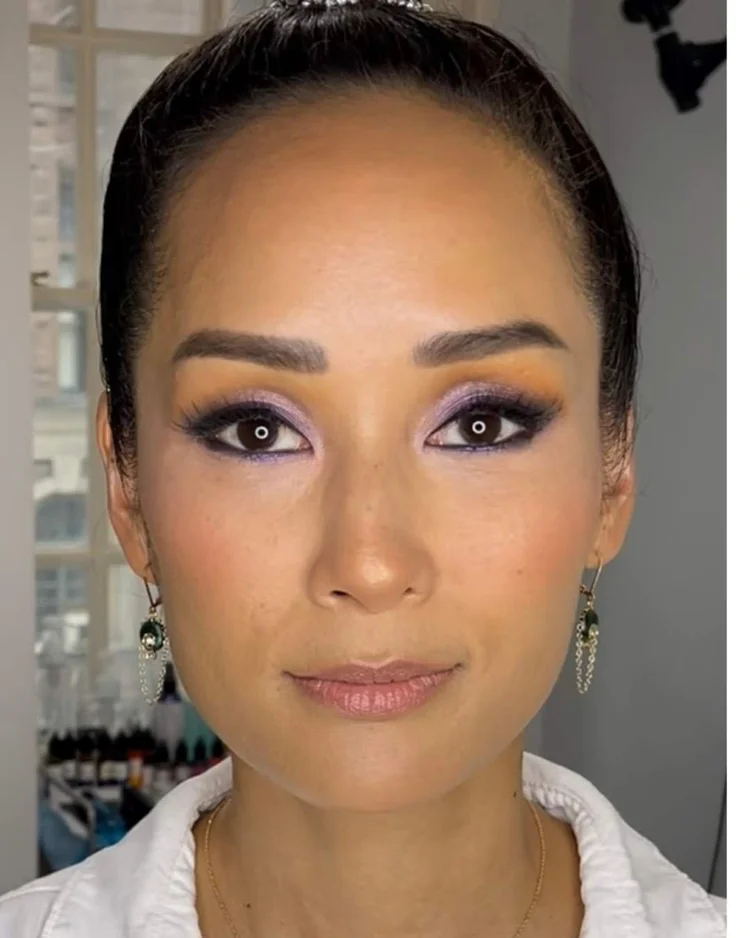
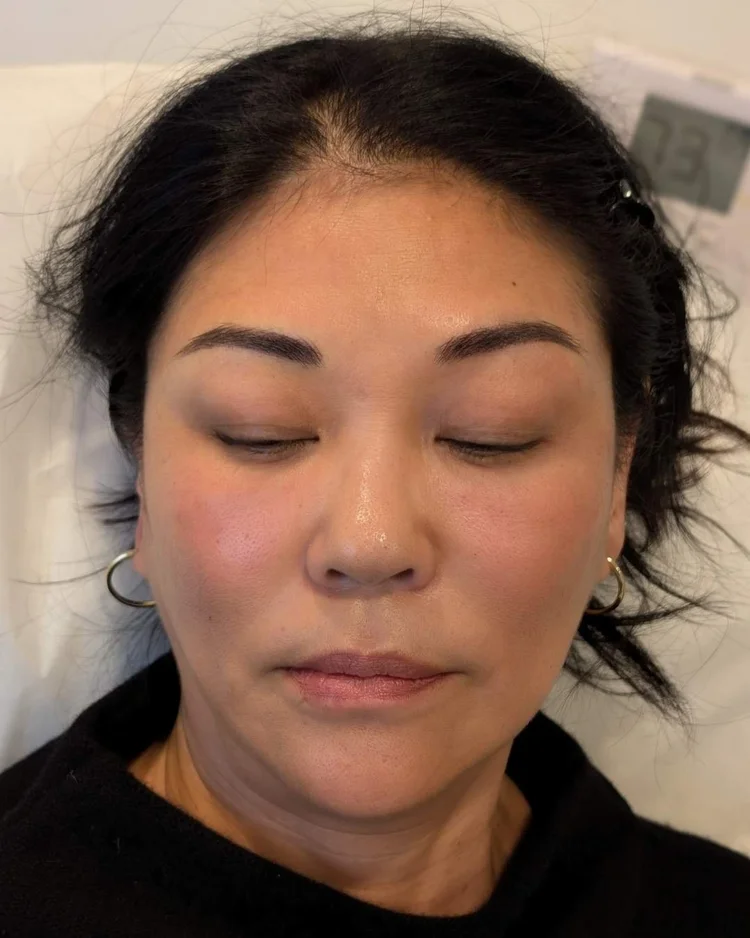
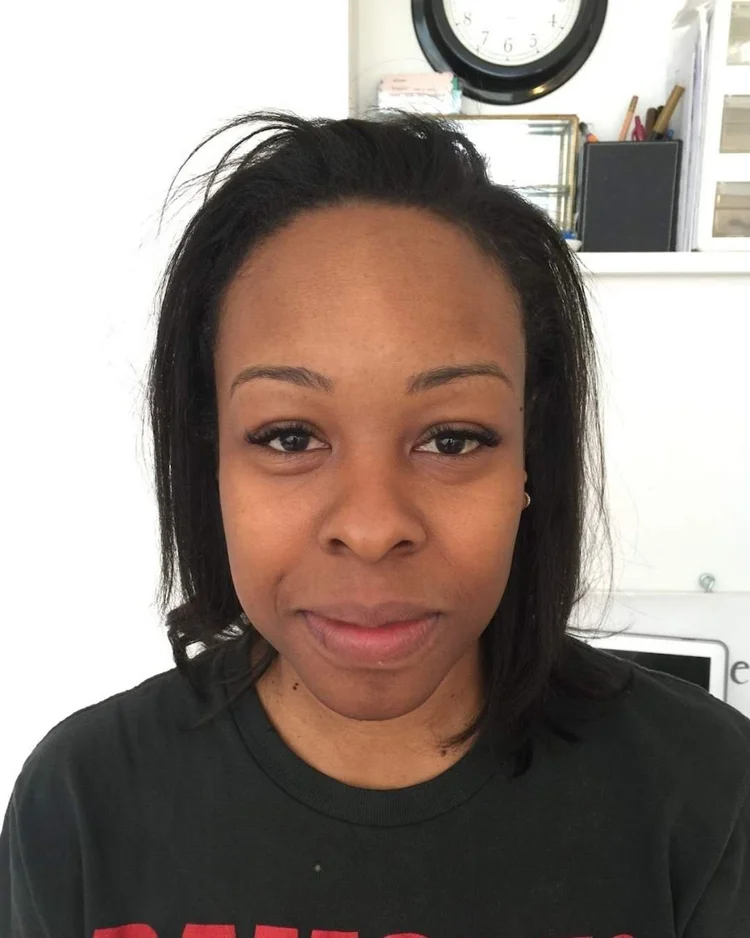
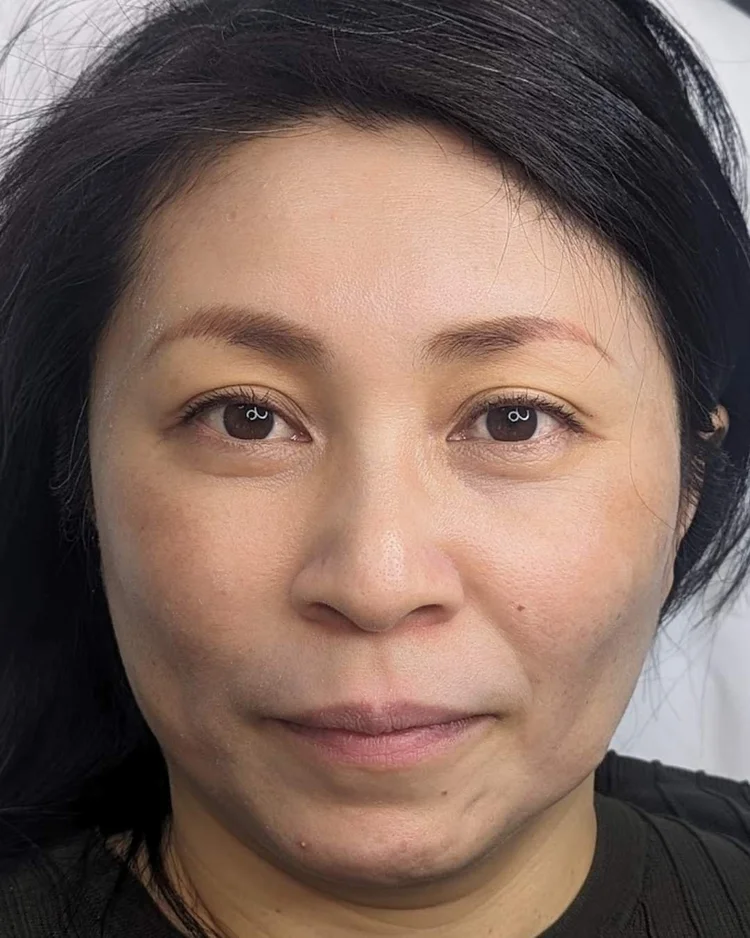
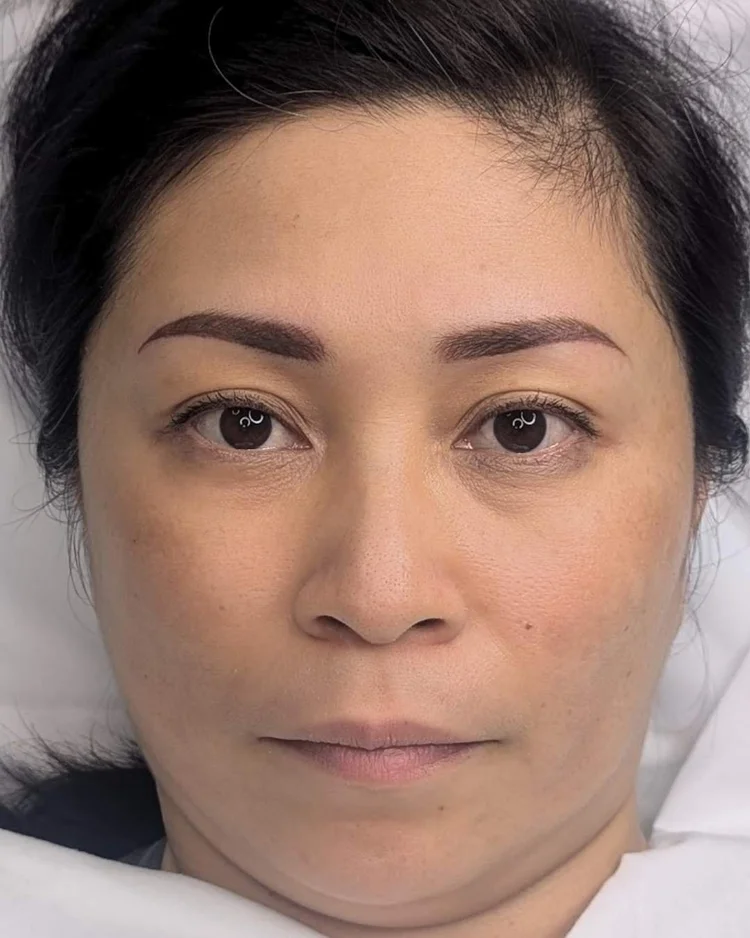
The best way to judge whether permanent makeup can look natural is to see real work — across different skin tones, different starting points, and different concerns.
Natural-looking brows don't have one single "look." They have thousands of looks, each one designed for the person wearing it. That's the point. A great result on light skin with alopecia looks completely different from a great result on dark skin with a shape correction — and both should look like they belong.
Every image below was taken the same day as the procedure. What you see is what our clients walked out with — not a filtered version, not a touched-up photo, not months later. This is what a conservative, thoughtful approach looks like right out of the chair.
 Before
 After
After
 Before
 After
After
 Before
 After
After
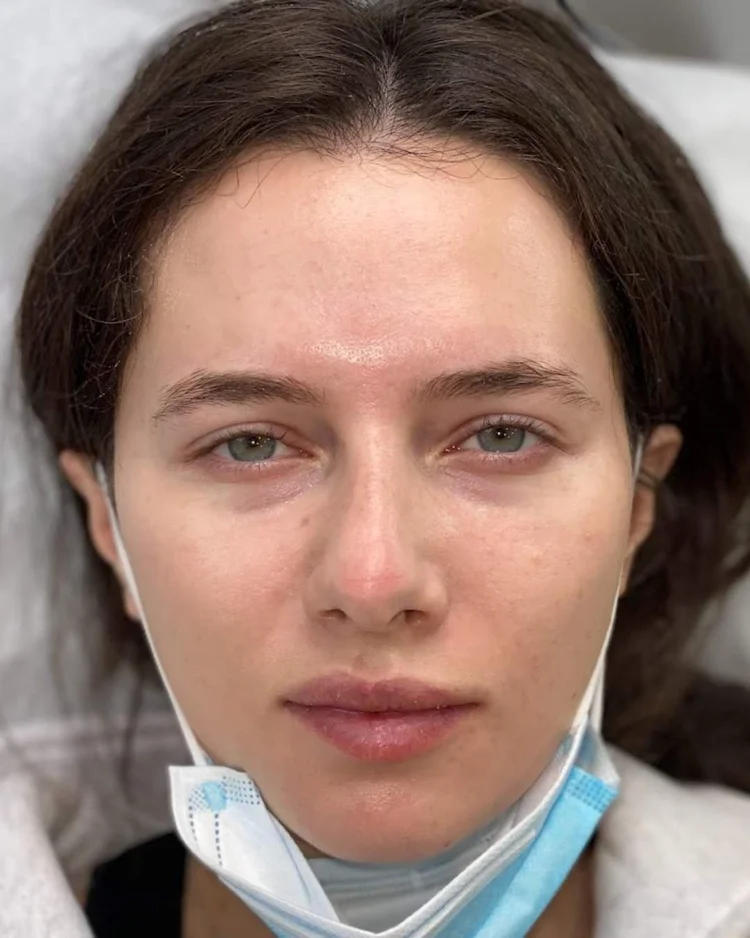 Before
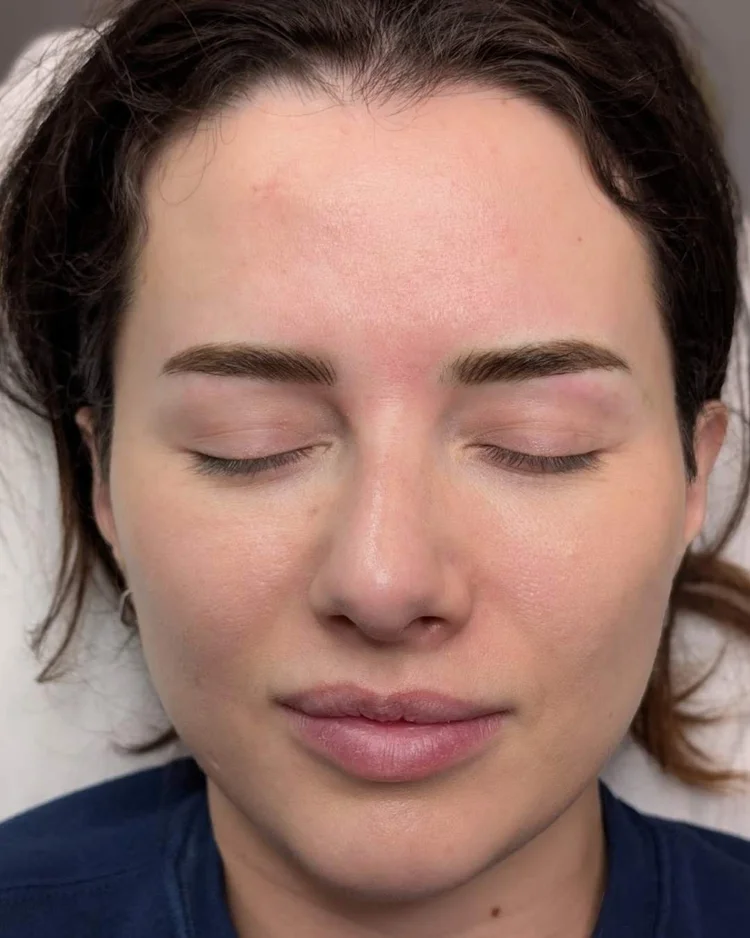 After
After
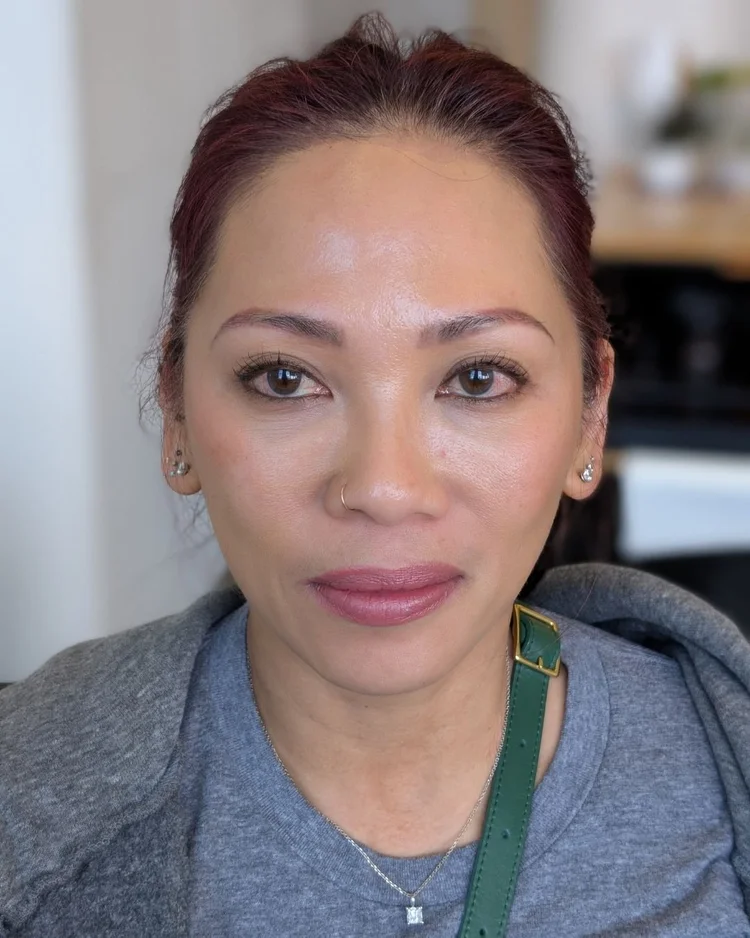 Before
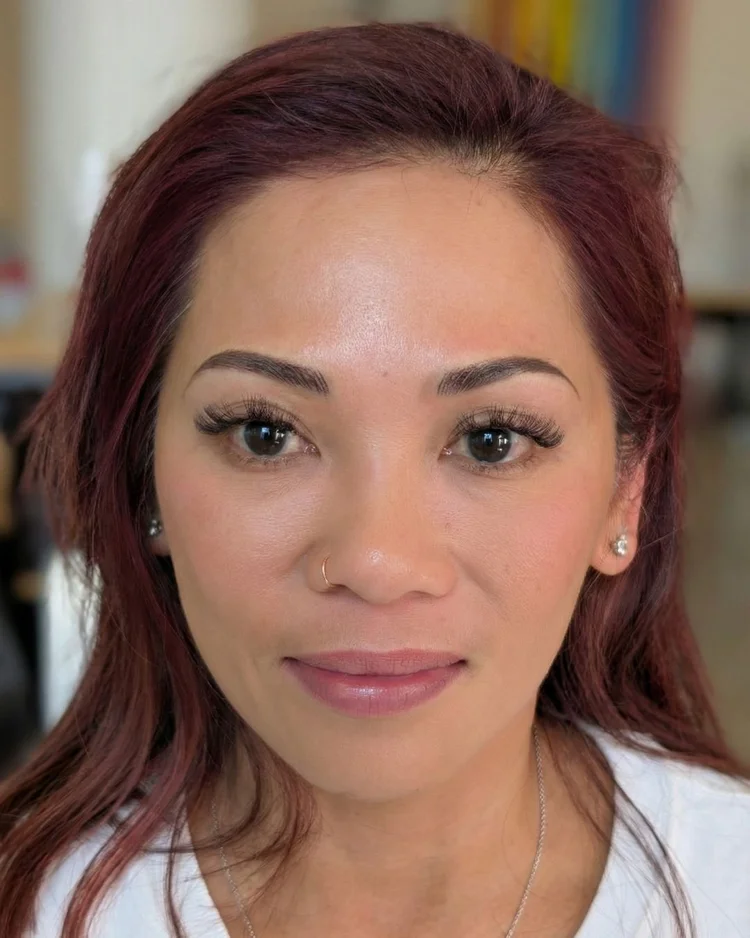 After
After
 Before
 After
After
 Before
 After
Before
After
Before
After
Before
After
Before
After
Before
After
Before
After
Before
After
After
Before
After
Before
After
Before
After
Before
After
Before
After
Before
After
Before
After
Hybrid nano + powder brow results across different skin tones and starting points. See our full portfolio →
And if you want to know what's possible for your face specifically, that's exactly what the consultation is for. We'll look at your features, talk about your goals, and give you an honest picture of what to expect — before you commit to a single thing.
A Consultation Is Just a Conversation
If you've been thinking about permanent makeup but holding back because you're afraid of looking fake — the smartest move is to talk to someone who does this every day.
We'll look at your features, hear what you're hoping for, and give you an honest read on what we can do. If it's not the right fit, we'll tell you that. We'd rather you leave feeling informed and clear-headed — whether you end up booking or not — than feel pushed into something you're not sure about.
Over 15,000 clients have trusted us with their faces. Most of them sat down for the first time with the same fear you might be carrying right now. And the vast majority walked out thinking exactly what they'd hoped: "I look like me. Just a better-brow version of me."
Frequently Asked Questions
The most common questions we hear from people nervous about looking natural.
Will permanent makeup look natural?
How do I avoid microblading that looks fake?
Why does my microblading look too dark?
What makes permanent eyebrows look natural?
Does permanent makeup look natural as it ages?
Can microblading look natural on oily skin?
How do I choose a microblading artist for natural results?
These are the questions about natural results. Our full FAQ covers everything — pricing, healing, skin types, corrections, candidacy, and more.
Le Kitsuné: Manhattan's Top-Rated Studio for Natural-Looking Permanent Makeup
At Le Kitsuné, we specialize in Hybrid Powder/Nano Brows — the most natural, customizable approach for every skin type. Our process is built on 15,000+ procedures, 20+ years of artistry, and a conservative philosophy that means your brows always look intentional.
Whether it's your first time with permanent makeup or you need a correction, our expert team will design the perfect shape and color for your face.
More from the Little Magazine
Explore our eyebrow portfolio, learn about our approach, and see full pricing details.
TechniquesA complete comparison of every eyebrow technique, with side-by-side breakdowns and who each is best for.
HealingWhat to expect during every healing stage — from day 1 through your no-fee touch-up.
The CraftThe design process behind brows that actually flatter your features — bone structure, symmetry, and proportion.
CautionaryThe most common issues and how experienced artists prevent every one of them.
The ScienceThe science behind how pigment evolves — and why understanding it matters for your expectations.
Our PhilosophyWhy we build conservatively and how it leads to results that stay soft, natural, and correctable over time.
MaintenanceReal client progressions and the science behind why consistent maintenance beats heavy one-time applications.
CorrectionsHow we fix permanent makeup done elsewhere — the process, timeline, and what to expect.
Before You BookSkin conditions, medications, and health factors that may affect your appointment and results.